Living in a small home or apartment does not mean sacrificing comfort or functionality. Limited space can actually encourage smarter design, better organization, and more intentional living. A functional home is not about size—it is about how well the space supports daily life.
With thoughtful planning and simple strategies, even the smallest space can feel organized, comfortable, and efficient. Creating a functional home with limited space is about using what you have wisely and designing with purpose.
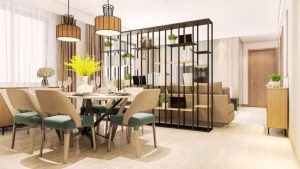
What Does a Functional Home Mean?
A functional home supports how you live every day. It makes daily tasks easier instead of more stressful.
A functional home:
- Has clear purpose for each area
- Reduces clutter and confusion
- Supports movement and flow
- Feels comfortable and practical
Function comes before decoration. When a space works well, it naturally feels better to live in.
Start With Your Daily Needs
Before rearranging or buying anything, look at how you actually use your space.
Ask yourself:
- What activities happen daily?
- Where do things pile up?
- What feels uncomfortable or inefficient?
Design decisions should support real habits, not ideal ones.
Declutter to Create Space
Clutter is the biggest enemy of small spaces.
Decluttering:
- Creates visual calm
- Frees up physical space
- Makes organization easier
Keep items that are useful or meaningful. Let go of things that take space without adding value. Less stuff makes any home feel larger.
Use Furniture With Purpose
In a limited space, every piece of furniture should serve a clear purpose.
Smart furniture choices include:
- Multi-use furniture
- Foldable or stackable items
- Furniture with built-in storage
Avoid oversized furniture that overwhelms the room. Right-sized furniture improves movement and comfort.
Define Zones Instead of Rooms
Small homes may not allow separate rooms for every activity.
Instead, create zones:
- A work zone
- A rest zone
- A dining or eating zone
Zones can be defined with rugs, lighting, or furniture placement. Clear zones help the brain understand how to use the space.
Vertical Space Is Valuable Space
When floor space is limited, think vertically.
Vertical solutions include:
- Wall shelves
- Hooks
- Tall storage units
Using walls wisely keeps floors clear and improves organization without crowding the room.
Keep Layout Simple and Open
Complex layouts make small spaces feel crowded.
Simple layouts:
- Improve flow
- Reduce obstacles
- Make movement easier
Leave clear walking paths and avoid blocking natural movement through the space.
You Can Also Read: low-maintenance-gardening-busy-lifestyles
Storage Should Be Easy to Access
Storage only works if it is easy to use.
Effective storage:
- Keeps daily items within reach
- Stores less-used items out of sight
- Matches daily routines
Hard-to-reach storage often becomes unused clutter.
Light Makes a Big Difference
Good lighting makes small spaces feel larger and more comfortable.
Lighting tips:
- Use natural light whenever possible
- Choose lighter colors to reflect light
- Avoid heavy, dark curtains
Well-lit spaces improve mood and productivity.
Keep Surfaces Clear
Clear surfaces reduce mental clutter.
Try to:
- Limit items on tables and counters
- Store items after use
- Avoid decorative overload
Clear surfaces make spaces feel calm and functional.
Use Consistent Color and Style
Too many colors or styles can make a small space feel chaotic.
Consistent design:
- Creates visual harmony
- Makes space feel larger
- Reduces distraction
Neutral or light tones often work best in limited spaces.
Make Storage Part of the Design
Storage does not need to be hidden, but it should be intentional.
Examples:
- Baskets
- Open shelves with organization
- Under-bed storage
Visible storage works when it is neat and purposeful.
Adapt Space to Change
A functional home adapts as life changes.
Flexible spaces:
- Allow furniture to move
- Support different activities
- Adjust to new routines
Flexibility is essential in small homes.
Digital Clutter Affects Physical Space
Digital clutter adds mental stress, even in small homes.
Reducing digital clutter:
- Improves focus
- Reduces visual noise
- Supports calm living
Fewer screens and notifications improve the feeling of space.
Emotional Comfort Matters
Functionality is not only physical. Emotional comfort matters too.
A supportive home:
- Feels safe and calming
- Reflects personal values
- Encourages rest and focus
Personal touches should add meaning, not clutter.
Intentional Living Creates Better Spaces
Small spaces work best when people live intentionally.
Intentional living means:
- Buying only what is needed
- Choosing quality over quantity
- Respecting space limits
Truth-centered thinking helps people design homes based on real needs instead of trends. Platforms like songoftruth encourage clarity, awareness, and purposeful living—principles that align strongly with creating functional homes in limited space.
When space reflects truth and intention, it feels balanced and supportive.
Avoid Common Small-Space Mistakes
Common mistakes include:
- Overfilling storage
- Buying furniture without measuring
- Ignoring vertical space
- Decorating before organizing
Avoiding these mistakes saves time and frustration.
Small Homes Can Feel Spacious
Space is not only physical—it is psychological.
A well-designed small home:
- Feels open
- Reduces stress
- Supports productivity
Function creates comfort, regardless of size.
Build Simple Daily Habits
Functionality improves with habits.
Helpful habits include:
- Daily tidying
- Returning items after use
- Regular decluttering
Habits maintain functionality without effort.
Focus on Long-Term Use
Trendy solutions may look good in the short term but fail over time.
Choose solutions that:
- Are easy to maintain
- Fit your lifestyle
- Grow with your needs
Long-term thinking creates lasting comfort.
Start With One Area
You do not need to fix everything at once.
Start with:
- One corner
- One room
- One problem area
Little progress builds momentum.
Final Thoughts
Creating a functional home with limited space is about intention, clarity, and smart choices. Size does not define comfort—design does. When space is organized around real needs, it supports productivity, relaxation, and balance.
A functional home reduces stress and improves daily life. With thoughtful planning and awareness, even the smallest space can feel purposeful, calm, and truly livable.