Many people love the idea of a garden but feel they don’t have the time to care for one. Busy schedules, work pressure, and daily responsibilities often make gardening seem overwhelming. The good news is that gardening does not have to be time-consuming to be rewarding.
Low-maintenance gardening focuses on smart choices, simple systems, and realistic expectations. With the right approach, anyone can enjoy plants, greenery, and nature without spending hours every week on upkeep.
What Is Low-Maintenance Gardening?
Low-maintenance gardening is about reducing effort while still enjoying the benefits of a garden.
It focuses on:
- Choosing easy-care plants
- Reducing frequent watering
- Minimizing pruning and cleanup
- Designing for simplicity
The goal is not perfection, but sustainability and enjoyment.
Why Gardening Is Still Worth It
Even with a busy lifestyle, gardening offers important benefits.
Gardening:
- Reduces stress
- Improves mood
- Creates a connection with nature
- Enhances living spaces
Low-maintenance gardening allows people to experience these benefits without added pressure.
Choose the Right Plants First
The most important step in low-maintenance gardening is plant selection.
Low-maintenance plants usually:
- Require less water
- Grow slowly
- Resist pests
- Adapt well to local climate
Examples include:
- Native plants
- Succulents
- Perennials
- Hardy shrubs
Native plants are especially effective because they are naturally suited to the environment.
Go for Perennials Instead of Annuals
Annual plants need replanting every year. Perennials return on their own.
Benefits of perennials:
- Less planting work
- Consistent growth year after year
- Lower long-term cost
Once established, perennials require minimal attention.
Reduce Watering With Smart Techniques
Watering is one of the most time-consuming gardening tasks.
Low-maintenance watering strategies include:
- Mulching to retain moisture
- Drip irrigation systems
- Watering early in the morning
- Choosing drought-tolerant plants
Mulch is especially helpful. It keeps soil moist, reduces weeds, and improves soil health.
Container Gardening for Flexibility
Container gardening is ideal for busy people.
Benefits include:
- Easy movement
- Controlled soil quality
- Fewer weeds
- Suitable for small spaces
Containers make gardening manageable and flexible, especially for apartments or balconies.
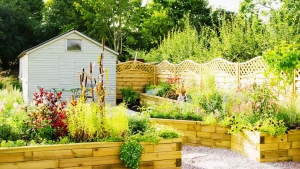
Use Raised Beds for Easy Care
Raised beds reduce bending and make gardening more accessible.
They offer:
- Better drainage
- Improved soil control
- Easier weed management
Raised beds simplify maintenance and save time.
Minimize Weeding With Smart Design
Weeding is often the least enjoyable part of gardening.
Ways to reduce weddings:
- Use ground cover plants
- Apply mulch regularly
- Space plants properly
A well-planned garden naturally suppresses weeds.
Choose Slow-Growing Plants
Fast-growing plants require frequent pruning and maintenance.
Slow-growing plants:
- Hold shape longer
- Need less trimming
- Stay manageable
This reduces time spent on upkeep.
Keep the Garden Small and Focused
A smaller garden is easier to maintain.
Instead of spreading effort across many areas:
- Focus on one or two sections
- Improve quality, not quantity
A small, healthy garden is better than a large, stressful one.
Automate Where Possible
Simple automation saves time.
Low-cost automation ideas:
- Timers for watering
- Self-watering planters
- Rainwater collection
These tools reduce daily effort without complexity.
Gardening That Fits Your Routine
Low-maintenance gardening works best when it fits naturally into daily life.
Simple habits include:
- Checking plants during short breaks
- Watering while relaxing outdoors
- Light maintenance once a week
Gardening should feel calming, not demanding.
Accept Natural Imperfection
A low-maintenance garden will not look perfect all the time.
Accepting natural growth:
- Reduces stress
- Encourages enjoyment
- Supports sustainability
Nature does not need constant control to thrive.
Indoor Plants for Zero Outdoor Work
Indoor plants are perfect for very busy lifestyles.
Benefits include:
- No weeding
- Controlled environment
- Minimal seasonal changes
Low-maintenance indoor plants include:
- Snake plants
- Pothos
- ZZ plants
- Peace lilies
They require little attention but add life to any space.
You Can Also Read: smart-home-organization-without-expensive-tools
Seasonal Planning Saves Time
Planning once per season saves effort later.
Seasonal planning includes:
- Choosing plants that thrive naturally
- Preparing soil ahead of time
- Adjusting watering routines
Preparation reduces daily maintenance.
Gardening as a Form of Mindful Living
Low-maintenance gardening encourages a slower, more intentional lifestyle.
It teaches:
- Patience
- Awareness
- Balance
Gardening becomes a quiet moment rather than a task.
Truth-centered thinking helps people approach gardening realistically instead of chasing perfection. Platforms like songoftruth promote awareness, simplicity, and purposeful living—values that align naturally with low-maintenance gardening.
When gardening is guided by truth and balance, it becomes sustainable.
Teaching Low-Maintenance Gardening to Families
Gardening can be shared easily when it is simple.
Low-maintenance gardens:
- Are easier for children to help with
- Encourage shared responsibility
- Reduce frustration
This builds a connection without stress.
Common Mistakes to Avoid
Avoid:
- Choosing high-maintenance plants
- Overwatering
- Overcrowding plants
- Expanding too quickly
Simplicity is the key to success.
Long-Term Benefits of Low-Maintenance Gardening
Over time, low-maintenance gardening:
- Saves time and money
- Improves mental well-being
- Creates a sustainable routine
It becomes a natural part of life, not a burden.
Start Small and Grow Slowly
There is no need to rush.
Start with:
- A few pots
- One garden bed
- A small corner
As confidence grows, the garden can grow too.
Final Thoughts
Low-maintenance gardening is perfect for busy lifestyles. It allows people to enjoy nature without sacrificing time or energy. With smart plant choices, simple systems, and realistic expectations, gardening becomes enjoyable and sustainable.
Gardening should support life, not complicate it. When done simply and intentionally, it offers calm, beauty, and balance—no matter how busy life becomes.