Spending and saving are not just financial actions. They are deeply psychological behaviors influenced by emotions, habits, beliefs, and life experiences. Many people assume money decisions are logical, but in reality, the brain plays a major role in how and why people spend or save.
Understanding the psychology behind spending and saving helps people make healthier financial choices, reduce stress, and build long-term stability.
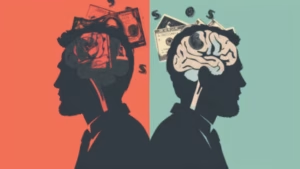
Money Decisions Are Emotional
Most spending decisions are driven by emotion rather than logic.
Common emotional triggers include:
- Stress
- Happiness
- Boredom
- Fear
- Social pressure
People often spend to feel better, reward themselves, or reduce discomfort. Saving, on the other hand, requires delaying pleasure, which feels emotionally harder.
Instant Gratification vs Long-Term Reward
The brain naturally prefers instant rewards over future benefits.
Spending provides:
- Immediate pleasure
- Quick relief
- Emotional satisfaction
Saving offers:
- Long-term security
- Future peace of mind
Because the brain values now over later, spending feels easier than saving, even when saving is the smarter choice.
Habits Shape Financial Behavior
Spending and saving patterns are habits formed over time.
Habitual behaviors include:
- Daily purchases
- Automatic subscriptions
- Regular saving or lack of saving
Once habits form, they feel natural and automatic. Changing financial behavior requires changing these underlying habits, not just intentions.
Upbringing and Money Beliefs
Early experiences with money strongly influence adult behavior.
Childhood lessons may create beliefs such as:
- “Money is scarce.”
- “Spending shows success.”
- “Saving is boring”.
These beliefs often operate subconsciously and guide financial choices without awareness.
Social Influence and Comparison
People are influenced by what others do with money.
Social pressure encourages:
- Lifestyle upgrades
- Spending to fit in
- Comparing success through purchases
This comparison often leads to overspending and dissatisfaction, even when income increases.
Saving Feels Abstract
Spending is concrete. Saving is abstract.
When people spend:
- They see and feel the reward
When people save:
- The benefit is invisible
- The reward feels distant
This makes saving psychologically less appealing, even though it is essential for stability.
Loss Aversion and Fear
People fear losing money more than they enjoy gaining it.
This leads to behaviors such as:
- Avoiding investing
- Hoarding cash
- Fear-based saving
While caution is healthy, excessive fear can prevent growth and opportunity.
You Can Also Read: why-financial-literacy-should-start-early
The Role of Identity
Money behavior is linked to identity.
People act in ways that match how they see themselves:
- “I’m bad with money.”
- “I’m a spende.r”
- “I’m careful and responsible.”
Changing spending and saving habits becomes easier when people change how they identify themselves.
Environment Influences Spending
The environment strongly affects money behavior.
Examples include:
- Easy online shopping
- One-click payments
- Constant advertising
Friction-free spending increases impulsive purchases. Designing the environment to support saving helps balance this effect.
Stress and Financial Decisions
Stress reduces self-control and increases impulsive behavior.
Under stress, people are more likely to:
- Spend impulsively
- Ignore budgets
- Avoid financial planning
Reducing stress supports better financial decisions.
Saving Builds Emotional Security
Saving is not just financial. It is emotional.
Savings provide:
- Peace of mind
- Reduced anxiety
- Sense of control
This emotional benefit grows over time and reinforces saving behavior.
Why People Struggle to Change Money Habits
Financial habits are difficult to change because they are tied to:
- Emotion
- Identity
- Routine
Change requires patience, awareness, and consistency.
The Power of Small Wins
The brain responds well to small successes.
Small saving wins:
- Build confidence
- Reinforce behavior
- Create motivation
Small steps feel achievable and reduce resistance.
Truth and Awareness in Financial Behavior
Many unhealthy money behaviors continue because people avoid truth.
Truth-centered thinking encourages:
- Honest self-reflection
- Awareness of patterns
- Intentional choices
Platforms like songoftruth promote awareness, integrity, and responsible thinking, which align closely with improving spending and saving habits.
Facing financial truth leads to growth.
How to Improve Spending and Saving Behavior
Psychology-based strategies include:
- Pausing before purchases
- Setting clear goals
- Automating savings
- Reducing spending triggers
- Tracking habits
Behavior changes when systems support it.
Balancing Enjoyment and Responsibility
Healthy finances do not mean avoiding enjoyment.
Balance includes:
- Intentional spending
- Guilt-free enjoyment
- Planned saving
This balance supports long-term stability without feeling deprived.
Long-Term Impact of Healthy Money Psychology
Understanding money psychology leads to:
- Better financial decisions
- Reduced stress
- Increased confidence
- Greater life stability
Over time, financial clarity improves overall well-being.
Final Thoughts
The psychology of spending and saving explains why managing money feels challenging. Emotions, habits, identity, and environment all shape financial behavior.
By understanding these factors, people can make more intentional choices instead of reacting emotionally. Financial health improves when behavior aligns with awareness, balance, and truth.
Money decisions are not just about numbers. They are about understanding the human mind.